Optimising energy efficiency and emissions in Chemicals
Overview
The customer, an integrated global chemicals company, identified climate change and its associated potential risks to its business. As part of its corporate commitment to reduce environmental impact and reduce operational costs they were searching for a solution to help them optimise the plant for energy consumption and carbon emissions from an operational perspective.
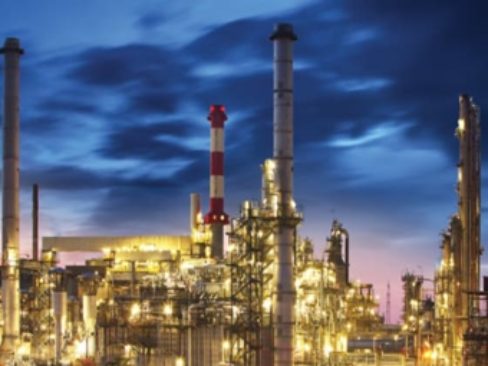
The target site was an ethane cracker at the customer’s chemicals facility in the USA which produces over a million tonnes of ethylene every year. The site is complex and carbon intensive and includes pyrolysis heaters, steam plant, compression, boilers, turbines and process heaters. The ethylene plant receives an ethane feed and using cracking furnaces, produces ethylene at two different pressure outputs. This process is responsible for emissions of approximately half a million tonnes of CO2 per year.
Customer Needs
- Access to robust data analysis in support of their GHG reduction roadmap, decarbonisation and optimisation decisions
- A comprehensive understanding of energy use and emissions profile across all aspects of their ethylene production process
- To consistently operate the plant as efficiently as possible from an energy and emissions perspective, without affecting production output
Solution
ERM’s emissions.AI was customised for the facility, taking specific consideration of ethylene production and plant configuration. P&IDs, lab data, OEM manuals, site operating procedures along with historic historian data were used to build an energy and emissions digital twin of the facility. The main ethylene process components and all plant interactions are considered.
Impact
By leveraging previously hidden information, the chemicals company can more consistently demonstrate that they are operating at the best achievable energy and emissions performance. Specific gains have been made across the process. Examples which have prompted operational adjustments to improve energy and emissions performance include:
- Visibility of the different energy requirements from various operating configurations, e.g., the quantification of emissions associated with different uses of steam
- Equipment efficiency performance and impact on emissions e.g., proposed changes to the decoking schedule of the furnaces
- Optimisation of fuel mixture within the steam boiler plant to minimise usage and waste
- Data to support evaluation of optimum equipment, factoring in facility throughput
- Early warning of corrections potentially required due to degrading equipment efficiency
- Quantification and implementation of best crew practices e.g., optimum train startups
- Understanding the impact of seasonality on emissions, and energy use for plant areas where heat-addition or removal is required
The close analysis of the plant, process and equipment and their respective interactions continues to enable the digital solution to become embedded across operational workflows.
Additionally, the company is now in the process of implementing several improvement focus areas to minimise energy costs and CO2 emissions, such as:
- Lowering pyrolysis furnace standby temperatures, capturing the full extent of CO2 reductions
- Evaluating CO2 reductions from local fuel gas supplies vs natural gas supplies
- Evaluating the economic benefits of waste heat recovery units, in terms of both the fuel savings and reduced CO2 emissions
Underpinning data and analysis from emissions.AI is also being used to support the company's decarbonisation strategy, GHG reduction road map and MACC studies.